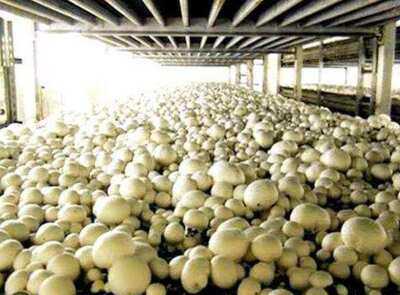
Patna : Bihar produced 55,000 metric tonnes of mushrooms in 2025–26, the highest in the country, and is now focusing on high-value varieties such as Cordyceps and Ganoderma , said P S Pandey , vice-chancellor of Rajendra Prasad Central Agricultural University (RPCAU).
Pandey also announced that RPCAU would hold its annual Kisan Mela from Dec 3 to 5. More than 175 stalls would bring together research institutes, agricultural universities, farmer producer organisations and startups from over 15 states.
Talking to TOI on Friday, Pandey said Bihar’s climate supported seasonal cultivation of a wide range of mushrooms, while controlled chambers made year-round production possible. “Local demand has also grown, with annual per capita consumption in Bihar reaching 4–5kg, compared with the national average of 300–400 grams,” he said.
Bihar already commercially cultivates oyster, white and brown button, paddy straw and milky mushrooms. Scientists at RPCAU, Pusa, have also developed cultivation methods for Cordyceps, Ganoderma, King Oyster, Enoki and Schizophyllum. Some growers have begun cultivating Ganoderma and King Oyster, and Pandey expects the newer varieties to be taken up commercially across Bihar within the next two to three years.
Pandey identified Cordyceps, commonly known as keeda jadi, as a potential high-value crop for women and educated youths in towns and cities. He estimated that a 10x15ft room could generate an annual income of up to Rs 1 crore under controlled growing conditions. The university would provide training and technical support and help growers find buyers, he said.
Growers’ earnings, he added, have risen from Rs 4,000–6,000 per quintal in 2014–15 to Rs 7,000–10,000 in 2025–26. The sector, long supported by women growers, is now also attracting technically trained entrepreneurs.
Pandey said Kisan Mela from Dec 3 to 5 will feature demonstrations of artificial intelligence, robotics, farm drones, polyhouse cultivation and micro-irrigation. Farmers will have access to climate-resilient seeds, while exhibitors will showcase products made from makhana, honey, medicinal plants and millets. Bullock-cart rides on the campus will introduce urban visitors and children to Bihar’s rural heritage.
Daily farmer-scientist interactions and a guided tour of the university’s research farms on Dec 4 will give growers an opportunity to discuss field-level problems and see ongoing trials. Free accommodation will be available for outstation farmers.
The fair will conclude on World Soil Day on Dec 5, with awards for progressive farmers and leading exhibitors.
Contact to : xlf550402@gmail.com
Copyright © boyuanhulian 2020 - 2023. All Right Reserved.