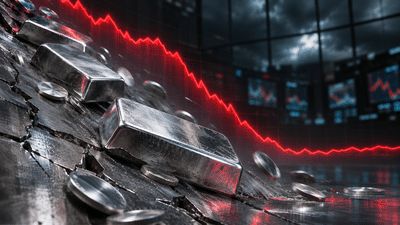
Silver, one of the biggest winners of the recent commodity rally, is now facing a sharp reversal. After surging as much as 170% in 2025 and another 71% in January, the white metal came under intense selling pressure, plunging to around $60 an ounce from a peak of $122 earlier this year. The dramatic turnaround has raised questions about whether silver can recover or if the worst is yet to come.
The biggest trigger behind the sell-off is the growing expectation of higher . Traders have stepped up bets for a further rate hike later this year. Rising inflationary pressures, fuelled by higher oil prices amid the Middle East conflict, have further strengthened expectations of tighter monetary policy.
Silver’s safe-haven appeal has also taken a hit. Investors typically turn to safe-haven assets during periods of uncertainty. However, prolonged inflation that prompts central banks to raise interest rates can create a difficult environment for , including silver.
Also Read |
Rising have added to the pressure. Unlike bonds, silver does not generate interest or any other income. As government security yields climb, investors can earn better returns from fixed-income assets, making non-yielding investments such as silver relatively less attractive.
Higher yields also tend to strengthen the , putting further pressure on precious metals by making them more expensive for buyers using other currencies. Investors often shift funds from gold and silver into interest-bearing assets, weakening demand and dragging prices lower, particularly when yields remain elevated.
The sharp correction follows a historic rally in precious metals over the past several months. Gold and silver touched record highs in late January, with gold climbing to around $5,600 an ounce and silver reaching approximately $122.
Why silver may not shine anytime soon
Global investment bank HSBC says had tumbled to nearly $54 an ounce before stabilising. While the metal still has room to gain, the upside is likely to be limited. Gold prices will remain a key driver for silver, and HSBC’s moderately positive outlook on bullion could offer some support to the white metal.
HSBC believes silver is trading close to fundamentally justified levels and remains mildly positive on the metal. Industrial and jewellery demand are expected to weaken further, while institutional purchases, particularly from China and India, should support demand for large bars.
Demand for coins and small bars could also recover, although at a moderate pace as elevated prices continue to weigh on buyers. Silver ETFs, which witnessed outflows earlier this year, are rebuilding their holdings.
However, a firm US dollar, as forecast by HSBC FX Research, and elevated yields could limit further gains. Silver could move higher if the anticipated interest rate hikes fail to materialise. Fiscal profligacy and geopolitical risks are also expected to provide support to prices.
Supply is rising
is expected to increase despite challenges in raising mine production at elevated prices. Most mined silver is produced as a by-product of gold and base metals, limiting the industry's ability to respond quickly to higher prices.
Lower ore grades and mine closures this year are expected to be largely offset by new projects and capacity expansions. However, mine output is likely to rise significantly in 2027, HSBC said.
Mining costs remain well below prevailing silver prices, providing producers with an incentive to increase output. Recycling is also expected to pick up as bullion holders sell their holdings amid concerns about further price declines. Hedge supply is rising as well.
Deficit will narrow
HSBC expects the to shrink sharply from 140 million ounces (moz) in 2025 to just 5 moz in 2026, based on its supply-demand model and data from the Silver Institute’s 2026 Survey. The deficit is projected to widen slightly to 12 moz in 2027.
The sharp narrowing this year is partly attributed to investor liquidation during the first half of 2026.
The moderating deficits reinforce HSBC’s view that silver prices are approaching equilibrium levels, leaving limited room for a strong rally. However, persistent shortages of high-purity .9999 silver could offer some price support.
Over the longer term, above-ground stocks and rising recycling supply could limit sharp price increases and weigh on the metal.
Silver back to $100 levels?
The Middle East conflict has set off a chain of events that has weighed heavily on silver prices. Rising oil prices have intensified inflationary pressures, altered expectations for monetary policy and put the white metal under pressure.
Developments in Iran and expectations surrounding new Fed Chairman Kevin Warsh’s anti-inflationary policies have shifted market expectations from interest rate cuts at the beginning of the year to a more neutral outlook, followed by the possibility of rate hikes.
The changing interest-rate outlook, coupled with a stronger US dollar, has weakened the case for holding silver and other precious metals. Declining investor and industrial demand has added to the pressure.
Meanwhile, significant silver stocks held on COMEX began flowing back to London in the second quarter of 2026, easing physical market tightness and adding to the downward pressure on prices.
The silver market may now be entering a consolidation phase, with prices likely to trend slightly higher. HSBC’s mildly positive outlook on gold is expected to provide support to silver and help limit further downside. However, the brokerage does not expect a sharp near-term rally and instead anticipates more moderate gains in 2027.
A strong US dollar, elevated yields in the US and other markets, weaker industrial and jewellery demand, and rising mine and recycling supply are all likely to weigh on prices. Unless tariff concerns flare up again, HSBC does not expect silver to reach $100 an ounce in the foreseeable future.
Avoid silver?
At the ET Wealth Expo, veteran fund manager and CIO of Mutual Fund Sankaran Naren said he had repeatedly cautioned investors against viewing silver as an investment that could only move higher.
He compared silver to a small-cap stock, arguing that the metal carried similar risks. However, the response from investors was often different. They pointed to silver’s applications in artificial intelligence, its use across several industries and the significant supply shortage facing the market. The prevailing belief was that these factors would keep prices on an upward trajectory.
Also Read |
In the bond market, AAA is the highest credit rating a security can receive. Naren, however, uses the acronym differently to highlight a common investment mistake. He calls it 'anti-asset allocation', referring to investors’ tendency to mistake strong past performance for a guarantee of future returns.
"Asset allocation is buying after a correction in an asset class. And buying an unpopular asset class, I would call this asset allocation," the veteran fund manager said, suggesting that silver is now an anti-allocated asset.
Disclaimer: This article has been written by Veer Sharma, who is not a SEBI-registered Research Analyst or an Investment Adviser. Veer Sharma and his/her ‘relative(s)’ (as defined under Section 2(77) of the Companies Act, 2013) do not hold any financial interest in the companies mentioned in this article as of the date of publication. The views/recommendations mentioned in this article, wherever applicable, are those of the respective SEBI-registered Research Analyst/brokerage and have been reproduced/reported with due attribution. They should not be construed as the views or recommendations of The Economic Times Digital or the journalist. Readers are advised to consider the original research report and make their investment decisions based on their own assessment. Brokerage disclaimers
Contact to : xlf550402@gmail.com
Copyright © boyuanhulian 2020 - 2023. All Right Reserved.