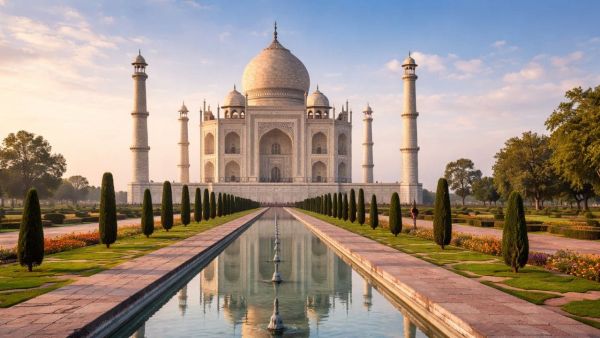
UNESCO World Heritage status highlights India's historic monuments and natural wonders. Discover its benefits for tourism, the importance of conservation and why protecting these treasured sites matters for future generations.
UNESCO World Heritage status recognises places of exceptional cultural, historical or natural significance. For India, with its rich history, ancient monuments and diverse ecosystems, this recognition showcases the country's heritage on the global stage. From the Taj Mahal in Agra and Hampi in Karnataka to Kaziranga National Park in Assam and the Western Ghats, India's World Heritage sites reflect its architectural excellence, cultural traditions and natural wealth. However, this recognition also brings the responsibility of protecting these treasures for future generations.
What Does UNESCO World Heritage Status Mean?
According to UNESCO's World Heritage Centre, a site must demonstrate Outstanding Universal Value and meet at least one of the ten selection criteria to qualify for the World Heritage List. These criteria cover cultural achievements, historical traditions, architectural masterpieces and exceptional natural environments.
UNESCO does not take ownership of listed properties. The country in which a site is located remains primarily responsible for its conservation and protection.
Does Recognition Boost Tourism?
World Heritage status can raise a site's international profile, attract tourists and create economic opportunities for local businesses, including hotels, restaurants and tour operators. In India, sites such as the Ajanta Caves in Maharashtra, Jaipur City in Rajasthan and the Sun Temple at Konark in Odisha attract visitors interested in history, architecture and culture.
However, recognition does not guarantee a tourism boom or automatic financial assistance. Eligible countries can apply for financial and technical support through UNESCO's World Heritage Fund, subject to the project's requirements and the availability of funds.
Why Is Conservation Important?
World Heritage sites face threats from pollution, climate change, unplanned development and excessive tourism. Large numbers of visitors can damage historic structures and put pressure on fragile natural habitats.
Protecting these sites requires regular monitoring, responsible tourism, scientific conservation and community participation. At natural heritage sites such as Kaziranga National Park, biodiversity conservation and habitat management are equally important.
Can a Site Lose Its UNESCO Status?
If a site faces serious threats, the World Heritage Committee may place it on the List of World Heritage in Danger to highlight the risks and encourage corrective action. In exceptional circumstances, a site can lose its World Heritage status if it no longer retains the characteristics that justified its inclusion on the list.
UNESCO World Heritage status is more than an international honour. For India, it represents a commitment to preserving historic monuments, cultural landscapes and natural habitats. By balancing tourism with conservation and sustainable development, India can protect its invaluable heritage for future generations.
Contact to : xlf550402@gmail.com
Copyright © boyuanhulian 2020 - 2023. All Right Reserved.