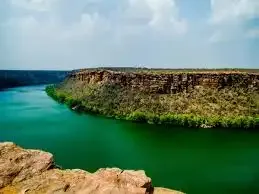
As soon as the name of Chambal river comes, the picture of the rugged river of Central India, stories of bandits and full of crocodiles comes to the fore. Chambal, which flows through Madhya Pradesh, Rajasthan and Uttar Pradesh, has long been known as the 'River of Rebels'. The inaccessible ravines surrounding it once provided shelter to such people, whose stories became famous across the country. But the identity of Chambal is not limited only to ravines and gardens. This river is also special for its unique aquatic creatures and natural beauty.
Many mythological beliefs about Chambal
Many folktales and mythological beliefs to Chambal river are prevalent. According to a belief, it is to the Mahabharata period. It is said in the story that Draupadi had cursed Chambal after some incident. However, this is a story to religious and folk tradition, for which historical evidence is not available.
Another folk tale connects the origin of Chambal to King Rantidev. The Madhya Pradesh Tourism website also mentions a popular legend about Chambal in which the river is linked to the blood that came from the sacrifice of thousands of cows.
Due to these stories, there has been mystery and excitement among the people regarding Chambal for a long time.
The ravines gave the name 'river of rebels'
The deep ravines spread on both the banks of Chambal river are the most distinct identity of this region. Due to inaccessible geographical conditions, it was difficult to reach here for a long time. Dacoit gangs remained active in these ravines for many decades. Many famous names including Phoolan Devi have been associated with the stories of the ravines of Chambal.
However, today's Chambal region is not only known for old stories of crime. Wildlife conservation work is being done here on a large scale and a large part of the river falls in the protected area.
Crocodiles reveal the real identity of Chambal
The biggest natural specialty of Chambal is the crocodiles found here. The main objective of notifying the National Chambal Sanctuary in the year 1979 was the conservation of endangered crocodiles. According to the Uttar Pradesh Eco-Tourism Board, apart from crocodiles, Ganga dolphins, many species of turtles, otters and various types of fish are also found in the sanctuary.
National Chambal Sanctuary is spread across three states of Madhya Pradesh, Uttar Pradesh and Rajasthan. It encompasses the long flow of the river and its surrounding ravines within its conservation area.
Home to Ganga dolphin and many rare creatures
Chambal river is not only important for crocodiles. The endangered Ganga dolphin is also found here. Additionally, smooth-coated otters, several species of turtles and a large number of fish are part of the ecosystem of this river.
According to the Wildlife Institute of India, conservation efforts in the National Chambal Sanctuary have been working for a long time to increase the number of crocodiles. The natural network of ravines also plays an important role in protecting the river and wildlife.
Chambal connects three states
National Chambal Sanctuary is spread between Rajasthan, Madhya Pradesh and Uttar Pradesh. According to the official eco-tourism board of Uttar Pradesh, the area of the sanctuary extends from Kota Barrage downstream to Bhareh, where the Chambal and Yamuna confluence.
In this way, Chambal is a river in whose identity history, folklore, ruggedness and wildlife conservation are all visible together. This river, which was once famous for the stories of rebels, is today also considered important for the conservation of rare creatures like crocodile and Ganga dolphin.
Contact to : xlf550402@gmail.com
Copyright © boyuanhulian 2020 - 2023. All Right Reserved.