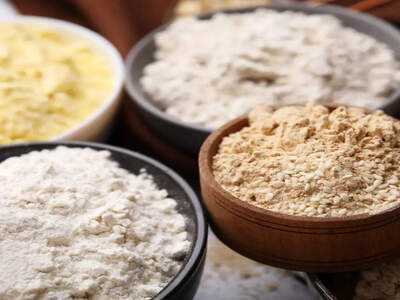
Whole wheat flour (atta), refined flour (maida), semolina (suji), and gram flour (besan) are staples in many households. These ingredients are essential for preparing a variety of dishes, including roti, paratha, bread, samosa, halwa, chilla, and dhokla. Among these, wheat flour is the most commonly utilized, while maida is often found in processed foods. This raises an important question: which flour is the healthiest, and what are the potential health risks associated with excessive consumption?
Dietitian Kamini Sinha, founder of Diet Mantra Clinic in Noida, emphasizes that the nutritional quality of food is determined by its fiber, protein, vitamins, and minerals. Additionally, the speed at which a food raises blood sugar levels and its effects on digestion are crucial factors. While wheat flour and maida are commonly consumed, semolina and gram flour also play significant roles in many diets. Each of these flours has a unique nutritional profile, influencing their health benefits.
Health Benefits of Whole Wheat Flour
Kamini Sinha states that whole wheat flour is the most nutritious option available. It is rich in fiber, B-vitamins, iron, magnesium, and antioxidants. The fiber content aids digestion, alleviates constipation, and promotes satiety. For those who consume roti regularly, whole wheat flour is preferable to refined flour, as it does not cause rapid increases in blood sugar and supports weight management.
Gram Flour (Besan): A Nutritional Powerhouse
Gram flour, made from split chickpeas (chana dal), is higher in protein compared to wheat flour. This makes dishes like chilla, prepared with gram flour, a healthy snack choice. Moreover, gram flour is gluten-free, making it suitable for individuals with gluten sensitivities. Its protein and fiber content help regulate appetite, reducing the likelihood of overeating.
Semolina (Sooji): A Less Nutritious Alternative
While semolina is derived from wheat, its processing removes significant portions of the grain, resulting in lower fiber content. Consequently, semolina is less nutritious than whole wheat flour. However, it is not harmful; dishes like *upma* or *idli* made from semolina are light and easily digestible. Those with diabetes or weight management goals should limit their semolina intake.
Refined Flour (Maida): The Least Healthy Option
Experts categorize refined flour (maida) as an ultra-processed food. The production process strips away the wheat bran and germ, eliminating most of the fiber, vitamins, and minerals. As a result, maida primarily consists of starch. Foods made from maida, such as white bread, pastries, and pizza bases, are digested quickly, leading to rapid spikes in blood sugar. The lack of fiber causes the stomach to empty quickly, resulting in frequent hunger. Long-term excessive consumption of maida can increase the risk of obesity, insulin resistance, and metabolic disorders.
Choosing the Healthiest Flour
When evaluating these flours based on their nutritional content, fiber, protein, and overall health effects, whole wheat flour and gram flour (besan) emerge as the top choices. Whole wheat flour is ideal for a balanced daily diet, while gram flour offers additional protein and fiber. Semolina can be consumed in moderation, but it is advisable to limit refined flour (maida) intake. Experts consistently recommend opting for less processed, fiber-rich options.
Contact to : xlf550402@gmail.com
Copyright © boyuanhulian 2020 - 2023. All Right Reserved.