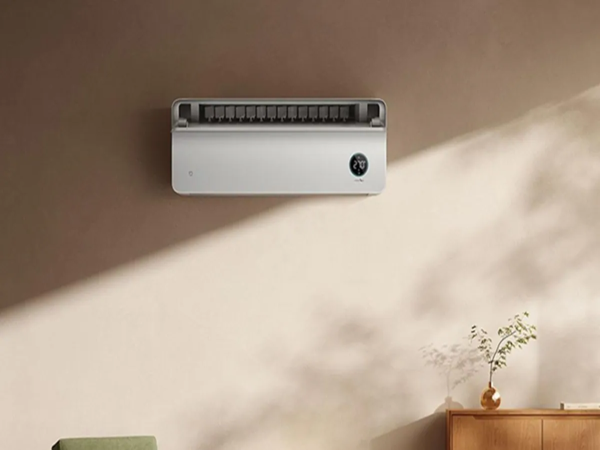
Amidst the scorching heat, an AC has now become people's most necessity. Whether at home, the office, or a shop, ACs are running continuously everywhere. However, people often get frustrated when a new—or even a perfectly functional—AC suddenly begins to provide inadequate cooling. In such instances, most people assume the machine has malfunctioned, whereas the actual culprit could very well be a gas leak. When an AC leaks gas, not only does it take longer to cool the room, but the electricity bill also begins to skyrocket. Often, people find themselves having to repeatedly refill the gas, placing an additional financial burden on their pockets. Significantly, a mechanical defect is not always to blame; rather, our own minor acts of negligence frequently emerge as major causes behind AC gas leaks.
**Major Causes of Gas Leaks**
The accumulation of moisture and dirt within the AC's internal copper pipes leads to corrosion. This causes tiny pinholes to form in the pipes, allowing the gas to gradually escape. Furthermore, if the pipe fittings were not installed correctly during the AC installation process—or if the joints were left loose—gas leakage can ensue. Excessive vibration in the outdoor unit can also cause the pipes to weaken over time. This is precisely why, on many occasions, even a brand-new AC begins to develop gas leak issues relatively quickly.
**Your Negligence Can Prove Costly**
If you fail to get your AC serviced before the start of the season, accumulated dust and grime will begin to damage the pipes and coils. Moreover, entrusting repairs to cheap or untrained mechanics can prove detrimental, as many such individuals utilize substandard pipes and low-quality refrigerant gas. When the air filter becomes clogged with dirt, ice begins to form on the indoor unit. This increases the pressure on the coils, thereby heightening the risk of a gas leak.
**How to Identify a Gas Leak**
If the room takes an unusually long time to cool down even after switching on the AC, it could be an indication that the refrigerant gas levels are running low. The formation of ice on the copper pipes near the outdoor unit is also considered a telltale sign of a gas leak. Furthermore, if you hear a hissing sound coming from the AC, it indicates that gas is escaping under pressure from somewhere.
**Simple Preventive Measures**
Ensure that your AC is serviced at least twice a year. Always use high-quality piping and rely on a trustworthy technician. During the winter months, when the AC is not in use, keep the outdoor unit covered to prevent dust and water from entering. Additionally, switching off the cooling mode a few minutes before turning off the AC—allowing only the fan to run—helps dry out internal moisture and reduces the risk of leaks.
Disclaimer: This content has been sourced and edited from News18 Hindi. While we have made modifications for clarity and presentation, the original content belongs to its respective authors and website. We do not claim ownership of the content.
Contact to : xlf550402@gmail.com
Copyright © boyuanhulian 2020 - 2023. All Right Reserved.