“FSSAI Approved” on food packs: What it really means and what it doesn't
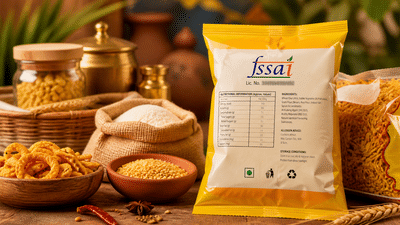
When a packet says “ FSSAI Approved,” it can sound like a neat seal of safety, as if the product has been personally checked and blessed by the food regulator. In reality, the label is usually far less dramatic. For packaged foods in India, FSSAI rules require the logo and licence number to appear on the pack, but that is a compliance mark, not a blanket guarantee that the food is healthy, superior, or risk-free. The regulator also says that the logo and licence number must not be used to make promotional claims. In other words, the presence of FSSAI details tells you the business is under the regulatory system; it does not mean the product has been endorsed as “best” or “safe in every situation.” Scroll down to know more...
What the label really signal
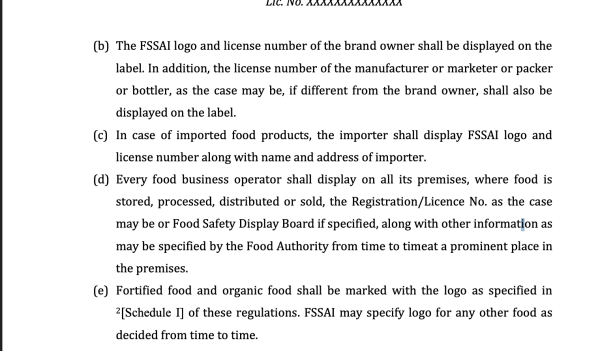
Under FSSAI’s labelling rules, the logo and licence number must be displayed on the food package in a contrast colour to the background. This requirement ensures the information is clearly visible and readable at a glance, helping consumers identify regulatory compliance without confusion or ambiguity at the point of purchase. The regulations also require the manufacturer, marketer, packer or bottler, as relevant, to show the correct licence information, and imported foods must carry the importer’s details too. In short, the pack is meant to tell you who is legally responsible for the product, not to create the impression of a government quality award. FSSAI also says the logo should be used on packaged food labels and not misused in any form.
What it does not mean
“FSSAI Approved” does not mean the product is automatically healthy, low in sugar, or better than competing brands. It also does not mean the regulator has personally tested that specific packet before it reached the shelf. FSSAI’s advertising rules explicitly say that, despite the mandatory logo and licence number, no claim or promotion of sale, supply, use or consumption should be made using the FSSAI logo and licence number. That is an important clue: the mark is required for compliance, but it is not meant to function as a marketing stamp.
Why the wording can be misleading
The phrase is slippery because FSSAI does use the word “approval” in some specific regulatory contexts. For example, non-specified foods and ingredients may require prior approval, and FSSAI says those approvals are granted after risk analysis. At the same time, the regulator notes that some food products made from standardized or permitted ingredients do not require separate approval. That means “approval” is real in certain cases, but it is not a universal label for every packaged snack, biscuit, drink, or ready-to-eat product.
How to read the pack like a careful shopper
A smarter way to look at the label is to treat it as a starting point, not the final verdict. Check the licence number, batch number, date of manufacture, best-before or expiry date, and the manufacturer or importer details. FSSAI’s labelling rules require these declarations, and they are far more useful than a vague “approved” claim when you are trying to judge how fresh and traceable a product is. If something looks unusual, the label should help you trace who made it and when.
The most accurate interpretation of the term "FSSAI Approved" is this: it indicates that the product is being marketed within the framework of India’s food safety regulations. However, it is crucial to understand that this phrase should never be confused with a guarantee of the product's purity, nutritional value, or any kind of special endorsement. The regulations laid out by FSSAI clearly draw a line by mandating that the logo and license number must be shown on labels, while also preventing these elements from being used as promotional statements. Therefore, when you encounter a packaging that prominently features that phrase, take it as a signal of compliance rather than a shortcut to building trust.
What the label really signal
Under FSSAI’s labelling rules, the logo and licence number must be displayed on the food package in a contrast colour to the background. This requirement ensures the information is clearly visible and readable at a glance, helping consumers identify regulatory compliance without confusion or ambiguity at the point of purchase. The regulations also require the manufacturer, marketer, packer or bottler, as relevant, to show the correct licence information, and imported foods must carry the importer’s details too. In short, the pack is meant to tell you who is legally responsible for the product, not to create the impression of a government quality award. FSSAI also says the logo should be used on packaged food labels and not misused in any form.
What it does not mean
“FSSAI Approved” does not mean the product is automatically healthy, low in sugar, or better than competing brands. It also does not mean the regulator has personally tested that specific packet before it reached the shelf. FSSAI’s advertising rules explicitly say that, despite the mandatory logo and licence number, no claim or promotion of sale, supply, use or consumption should be made using the FSSAI logo and licence number. That is an important clue: the mark is required for compliance, but it is not meant to function as a marketing stamp.
Why the wording can be misleading
The phrase is slippery because FSSAI does use the word “approval” in some specific regulatory contexts. For example, non-specified foods and ingredients may require prior approval, and FSSAI says those approvals are granted after risk analysis. At the same time, the regulator notes that some food products made from standardized or permitted ingredients do not require separate approval. That means “approval” is real in certain cases, but it is not a universal label for every packaged snack, biscuit, drink, or ready-to-eat product.
How to read the pack like a careful shopper
A smarter way to look at the label is to treat it as a starting point, not the final verdict. Check the licence number, batch number, date of manufacture, best-before or expiry date, and the manufacturer or importer details. FSSAI’s labelling rules require these declarations, and they are far more useful than a vague “approved” claim when you are trying to judge how fresh and traceable a product is. If something looks unusual, the label should help you trace who made it and when.
undefined
The most accurate interpretation of the term "FSSAI Approved" is this: it indicates that the product is being marketed within the framework of India’s food safety regulations. However, it is crucial to understand that this phrase should never be confused with a guarantee of the product's purity, nutritional value, or any kind of special endorsement. The regulations laid out by FSSAI clearly draw a line by mandating that the logo and license number must be shown on labels, while also preventing these elements from being used as promotional statements. Therefore, when you encounter a packaging that prominently features that phrase, take it as a signal of compliance rather than a shortcut to building trust.
Contact to : xlf550402@gmail.com
Copyright © boyuanhulian 2020 - 2023. All Right Reserved.