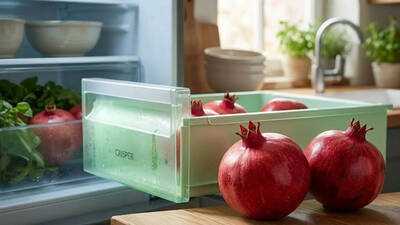
One simple habit can keep pomegranates fresh for up to 2 months
Pomegranates are a special treat that only come around at certain times of the year, but they don't last long. People often put these shiny red fruits in a bowl on their kitchen counter because they look nice, but this actually makes them go bad faster. Want to keep enjoying pomegranates even when it's cold outside? Just stick them in the fridge. The crisper drawer is perfect for keeping them fresh and juicy for up to two months. Swapping from storing them on the counter to popping them in the fridge is key to stopping them from drying out or going bad. Proper ventilation and minimal moisture exposure further extend the lifespan of these nutrient-dense seasonal fruits.
The secret to storing pomegranates for longer
A lot of folks handle pomegranates like they do apples or oranges, just leaving them out on the table. Although a pomegranate can last on your counter for a week or two, it keeps losing moisture through its thick skin. If the room is dry, the skin might wrinkle up, and the seeds inside could lose their juicy burst and sweetness.
On the other hand, keeping it in the fridge works wonders. Placing it in the crisper drawer helps because the cool air slows down how fast it breathes and keeps its juice from evaporating. So simply moving it to this cooler spot can mean having a fruit that stays fresh for up to eight weeks instead of just ten days.
Best ways to store whole and cut pomegranates for maximum freshness
Depending on how soon you plan to eat them, you should choose your storage method carefully:
Tips for picking the right pomegranate
When choosing pomegranates, pick ones that feel disproportionately heavy compared to their size. A heavier fruit means its seeds are full of juice and not dried out. Also, pay attention to the shape. Those with slightly flattened sides rather than perfectly round ones usually have bigger, juicier seeds inside. To avoid a mess when removing the seeds, cut the fruit open and place it in a bowl of water. The seeds will sink, making them easy to collect, while the white pith floats for simple removal.
How can someone detect the spoilage of a pomegranate
Before eating, check for a fermented or vinegary smell, which indicates the sugars have begun to turn. While a slightly leathery or scarred exterior is usually fine, any deep soft spots, visible mould, or a dull thud when tapped are signs that the fruit has reached its limit. If the arils inside have turned discoloured, slimy, or bubbling, the fruit should be discarded.
The secret to storing pomegranates for longer
A lot of folks handle pomegranates like they do apples or oranges, just leaving them out on the table. Although a pomegranate can last on your counter for a week or two, it keeps losing moisture through its thick skin. If the room is dry, the skin might wrinkle up, and the seeds inside could lose their juicy burst and sweetness.
On the other hand, keeping it in the fridge works wonders. Placing it in the crisper drawer helps because the cool air slows down how fast it breathes and keeps its juice from evaporating. So simply moving it to this cooler spot can mean having a fruit that stays fresh for up to eight weeks instead of just ten days.
Best ways to store whole and cut pomegranates for maximum freshness
Depending on how soon you plan to eat them, you should choose your storage method carefully:
- Whole pomegranate (room temperature): Keep in a cool, dry spot away from direct sunlight for 1–2 weeks.
- Whole pomegranate (refrigerated): Place them in the crisper drawer to extend their life up to 2 months.
- Loose seeds (refrigerated): Once the fruit is opened, the arils should be stored in an airtight container for 5 days.
- Loose seeds (frozen): For long-term use in smoothies or baking, seeds can be frozen for up to 6 months for the best quality. To prevent clumping, freeze them in a single layer on a tray before bagging.
Tips for picking the right pomegranate
When choosing pomegranates, pick ones that feel disproportionately heavy compared to their size. A heavier fruit means its seeds are full of juice and not dried out. Also, pay attention to the shape. Those with slightly flattened sides rather than perfectly round ones usually have bigger, juicier seeds inside. To avoid a mess when removing the seeds, cut the fruit open and place it in a bowl of water. The seeds will sink, making them easy to collect, while the white pith floats for simple removal.
How can someone detect the spoilage of a pomegranate
Before eating, check for a fermented or vinegary smell, which indicates the sugars have begun to turn. While a slightly leathery or scarred exterior is usually fine, any deep soft spots, visible mould, or a dull thud when tapped are signs that the fruit has reached its limit. If the arils inside have turned discoloured, slimy, or bubbling, the fruit should be discarded.
Contact to : xlf550402@gmail.com
Copyright © boyuanhulian 2020 - 2023. All Right Reserved.