
Two symptoms disrupting your sleep could indicate a life-threatening illness. If you frequently encounter these unexplained problems, they might point to cancer.
According to Cancer Research UK, both sleeplessness and severe night sweats can be indicators of the disease. However, notethat many people experience these difficulties without having cancer - as they have multiple potential causes.
But if you observe something unusual for you, such as sudden sleeplessness or night sweats, you ought to consult a doctor. The charity states: "Listen to your body and talk to your doctor if you notice anything that isn't normal for you. As there areso many signs and symptoms of cancer, it would be impossible to remember them all.
"That's why it's important to be aware of what is normal for you and speak to your doctor if you notice any unusual changes or something that won't go away. This can help to diagnose cancer at an early stage, when treatment is more likely to be successful."
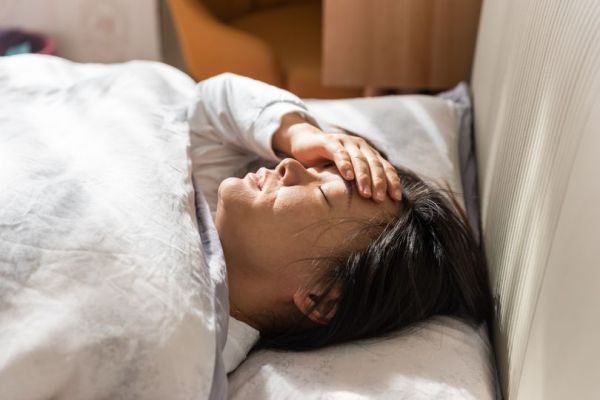 Severe night sweats
 It's fairly common to perspire slightly during the night. This might be down to room temperature or sharing a bed with a partner.
Nevertheless, the charity advises people to seek medical guidance if they experience "very heavy, drenching night sweats", or an unexplained high temperature. It says: "Sweating at night or having a high temperature (fever) can be caused by infections or a side effect of certain medications.
• Oncologist says 'vital to see GP' if you have symptoms of 'silent killer' cancer
• NHS GP Amir Khan explains meningitis symptom which means you should go 'straight to hospital'
"It's also often experienced by women around the time of the menopause. But speak to your doctor if you have very heavy, drenching night sweats, or an unexplained fever."
Certain cancers, like lymphoma, can themselves induce sweating. It can also be a side effect of medications or infections.
The NHSalso highlights profuse sweating as a potential symptom of cancer. It characterises this as: "Sweating a lot (particularly at night) or a high temperature that lasts a long time or keeps coming back."
Insomnia, or trouble sleeping, is when you struggle to fall asleep and stay asleep at night, and wake up too early in the morning. The NHS states that one in three of us will encounter issues with sleep at least once in our lives.
This can be due to a multitude of reasons such as stress, anxiety, illness or injury. And Cancer Research UK includes it as a potential symptom of cancer.
The insomnia could be a result of other symptoms of the cancer such as pain or sickness, the charity explains. But it can also be one of the side effects of treatment or triggered by worry, anxiety or depression following a diagnosis.
Cancer Research UK says: "Most people will experience insomnia at some point during their lives. It can be due to lots of different reasons."
According to the charity, some things that can cause insomnia when you have cancer include:
- Symptoms caused by the cancer (such as pain or sickness)
- Side effects of treatment
- Worry, anxiety or depression
"If you often have insomnia, it can interfere with everyday life," it says. "You may feel very tired, and have low energy. You might also have poor concentration, and irritability, and may feel you cannot cope."
Other general symptoms of cancer, as listed by Cancer Research UK, include:
- Fatigue
- Unexplained bleeding or bruising
- Unexplained pain or ache
- Unexplained weight loss
- An unusual lump or swelling anywhere
If you experience any unexplained symptoms, you should speak to your GP.
Contact to : xlf550402@gmail.com
Copyright © boyuanhulian 2020 - 2023. All Right Reserved.