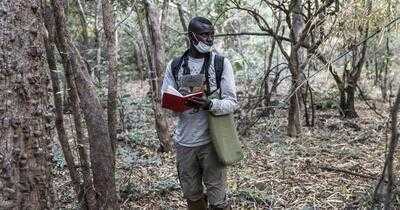
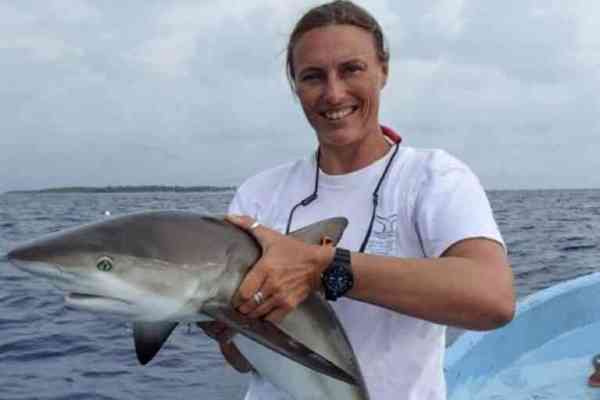
In December 2024, Rachel Graham, executive director of the Belize-based marine nonprofit MarAlliance, posted on LinkedIn that she knew “5 wildlife & conservation scientists who have taken their lives this year so far.” She called it a “crisis” that needed tackling. The post went viral, garnering about 18,000 impressions and 45 comments.
“I’m seeing a true crisis in the conservation community,” Graham tells Mongabay.
People become conservationists because they care, Graham says, but that can also lead to huge mental health problems in an age of biodiversity decline, climate change and environmental distress. Add to that the perils of the sector – often low wages, poor job security, overworking, dependence on fickle grants and burnout – and you have a ripe recipe for mental health issues.
“If your identity is inextricably linked [to a mission], then when this is imperiled, the threat becomes very personal,” Graham says. “That, to me, I think, is really one of the biggest cruxes of the problem that we’re seeing right now in conservation.”
The problem isn’t anecdotal. A 2023 study in Conservation Biology interviewed more than 2,000 conservation professionals and found that more than a quarter of them (27.8%) were suffering from moderate to severe distress in their lives. The study found that women...
Read more
Contact to : xlf550402@gmail.com
Copyright © boyuanhulian 2020 - 2023. All Right Reserved.