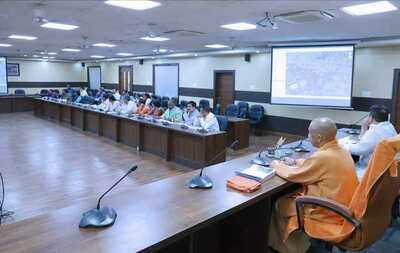
Over the past several years, festival celebrations in Uttar Pradesh have undergone a noticeable transformation, gradually shaping what many observers now describe as a “festival economy.” With improved administrative preparedness, stronger security arrangements and greater coordination at multiple levels, festivals have expanded in scale and organization, influencing local markets, tourism and employment patterns across the state.
Festivals such as Deepawali, Holi, Navratri and Ganesh Mahotsav have increasingly become high-activity periods for retail trade. Traders and market associations note that footfall during these occasions often rises well above regular levels, translating into stronger demand for textiles, jewellery, electronics, sweets, decorative items and religious supplies. For many businesses, festival seasons now account for a substantial share of annual sales.
The impact extends beyond retail. Cities with religious significance such as Ayodhya, Varanasi, Mathura and Prayagraj have seen a steady increase in visitors during major events. Hotels, guest houses, transport operators, food outlets and small service providers experience higher occupancy and turnover, indicating the growing linkage between cultural events and tourism-led economic activity. Local administrations report that better crowd management and security planning have played a role in sustaining this growth.
Traditional artisans are among the groups most visibly affected by the expansion of festival-related activities. Potters, idol makers, handicraft workers and decoration specialists receive larger and more consistent orders during events like Deepotsav, Dev Deepawali and Navratri. In several districts, initiatives to source materials locally have helped artisans access wider markets, improving incomes during peak seasons.
Women-led self-help groups have also found new opportunities through festival-linked production. From diyas, candles and herbal colours to packaged prasad and gift items, these groups have used festivals to connect rural and small-scale products with urban consumers. Temporary stalls, fairs and local markets have provided additional platforms for sales, strengthening cottage industries.
Large cultural and religious events that were once limited in scale have now expanded into multi-day programs, creating demand for tent services, lighting, sound systems, sanitation, security and temporary labour. Economists point out that such activities generate short-term employment while supporting allied sectors such as transport and hospitality.
Overall, the evolving festival economy reflects how cultural celebrations, when managed on a larger and more organized scale, can influence seasonal economic cycles. While primarily rooted in tradition and faith, festivals in Uttar Pradesh are increasingly functioning as engines of local economic activity, benefiting a wide range of stakeholders across urban and rural areas.
Contact to : xlf550402@gmail.com
Copyright © boyuanhulian 2020 - 2023. All Right Reserved.